



How to Get Your Photography Portfolio Noticed in London
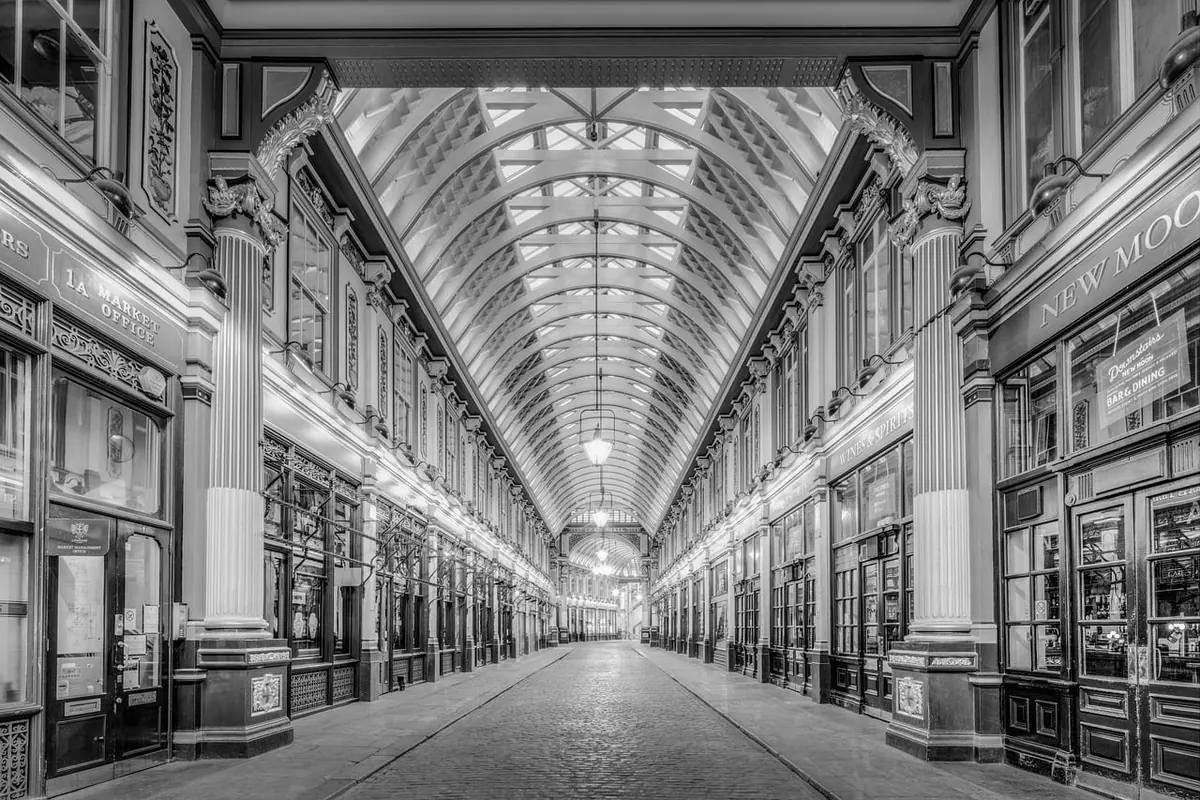
London has more photographers per square mile than almost anywhere, and plenty of them are pointing their cameras at the same four landmarks. Getting noticed here is less about shouting louder and more about being findable, specific and genuinely useful to the people who book photographers in your corner of the city. Local knowledge is the one advantage nobody can copy from a stock library, and it happens to be something you can build on purpose.
Own a Corner of the City
The photographers who get steady work tend to be known for something narrow and local. "Wedding photographer" is forgettable. "Wedding photographer for registry office ceremonies in Islington and Hackney" is a person somebody can recommend by name.
Start with geography you can actually reach. Draw a rough forty-five minute travel circle around your flat and treat it as your patch. Then learn it properly: which streets are empty at 8am on a Sunday, which railway arches throw hard light in the afternoon, which venues have courtyards that fall into shade by five, where you can shoot without a crowd of tourists walking through the frame. A couple can find a hundred photographers online, but they can't find many who already know their venue, their route between ceremony and reception, and the nearest quiet street for portraits.
Pick two or three areas and commit to them for a year. You will shoot there more often, get to know venue managers, and gradually appear in the searches people make when they add a postcode to their query.
Make Your Portfolio Answer the Question Clients Ask
Most photographer websites are beautiful and silent. They show the work but never say who it's for or where it happens. Fix that first, because it costs nothing and changes how people read everything else.
Say what you do in one plain sentence
Put it near the top of your homepage, in words a client would use rather than industry language. Something like: "Documentary family photography across South East London, shot in homes and parks." It reads a little flat to you because you've seen it a hundred times. To a stranger, it's the moment they realise you're relevant to them.
Add a page for each area you cover
Short pages for the neighbourhoods you work in — not keyword stuffing, but honest, useful notes. Where you like to shoot when it rains. Which parks work for toddlers and which are better for couples. Three or four good images per page is enough. These pages do two jobs: they help you rank for local searches, and they reassure the person who has already decided they want a photographer near them.
Caption and label your images
Give every file a descriptive name before you upload it, and write a caption that explains what's happening. Alt text should describe the picture for someone who can't see it: "Bride and groom walking through Columbia Road flower market" beats "wedding-0234-final". It takes an afternoon and it's one of the few technical tasks that pays off for years.
Then claim or update your Google Business Profile. Choose photography as your category, add your service areas, upload new work every month or so, and ask happy clients for reviews. When someone searches for a photographer in your borough, that profile often shows up before your website does.
Get Out Into London's Photography Scene
London has an unusually dense calendar of talks, portfolio reviews, open submission shows and camera clubs, and most of it is cheap or free to attend. It's easy to treat these as a night out. Treat them as work instead, and go with a purpose.
- Bring prints or a tablet with ten images, not four hundred. Ten is enough for a conversation.
- Ask one specific question of one person, rather than a general "any feedback?".
- Follow up within a few days with the image you discussed. Most people never do this, which is exactly why it works.
- Look out for open submission exhibitions and group shows in your borough — a shared wall is a legitimate reason to introduce yourself to curators and other photographers.
Assisting is another route worth taking seriously. Established photographers need help on larger jobs, and a few days carrying bags on a commercial shoot will teach you more about lighting, clients and pricing than a year of scrolling. Be straightforward about what you want from it and reliable about turning up.
Build Relationships With the People Who Book Photographers
Most photography work in London arrives through other people: planners, florists, stylists, hair and make-up artists, venue managers, small brand owners, picture editors, and the friend of a friend who saw your work at a party. These are relationships, not transactions, and they take time.
Pick five local businesses whose work you genuinely like — a florist, a barber, a bakery, a small clothing label, a community centre — and offer them a short shoot. Agree in writing who can use the images, where, and for how long; a one-page email is fine and saves awkward conversations later. Then keep in touch. Send them a relevant image when you have one, congratulate them when they open a second site, and pass on their name when someone asks you for a recommendation. Reciprocity is the whole mechanism.
Before any commercial shoot, check the rules for where you're working. The Royal Parks and Transport for London both expect photographers to arrange permission for commercial work on their property, and private estates, markets and many venues have their own policies. It takes one email to sort out and saves a ruined shoot. If you're working regularly for paying clients, look into public liability insurance — most venues will ask for it.
Your Next Thirty Days
Visibility in a city this size comes from repetition and specificity rather than one clever campaign. Here's a sequence you can work through in a month without spending much.
- Rewrite the first line of your homepage so it names what you shoot and where.
- Build two area pages for the neighbourhoods you know best, with three strong images each.
- Rename and caption your twenty best photographs, then upload them to your Google Business Profile.
- Approach five local businesses with a short, specific offer and a clear note on image usage.
- Attend one event, talk or group show and have your ten prints ready.
- Ask three past clients for a review, and for one sentence describing why they hired you.
Then repeat the parts that worked. A photographer who is clearly rooted in a few London neighbourhoods, whose website says so plainly, and who turns up when they say they will is far easier to recommend than a better photographer nobody can place. That's the whole advantage, and it's yours to build.
Photo: michaeldbeckwith / Pixabay