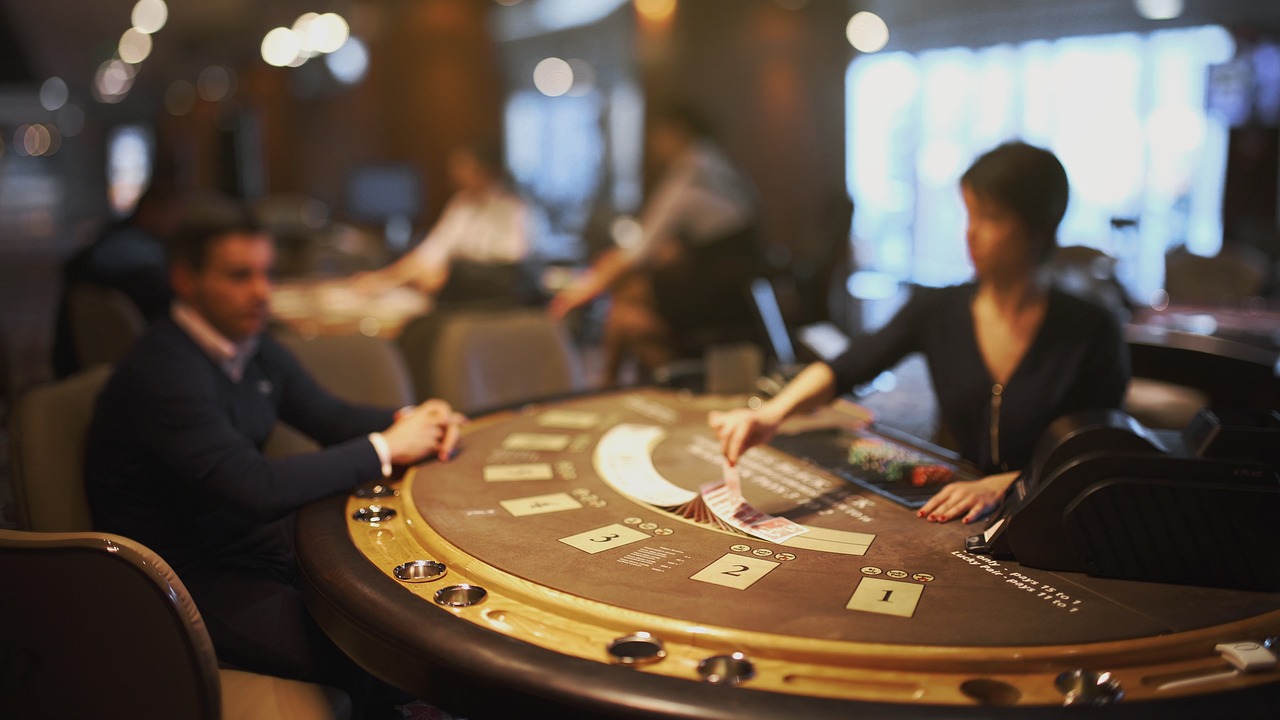

Inside the Modern Casino: Slots, Poker, and the Betting Boom
The first time you watch a high-stakes poker final table, something clicks. It's not the cards. It's the silence between decisions — the way a player stares at a stack of chips like it owes them an explanation. That tension is the same reason someone feeds a slot machine at 2 a.m., and the same reason a football fan screams at a last-second field goal. iGaming, for all its flashing graphics and algorithms, is really a business built on human psychology. And business is booming.
If you've ever wondered how these worlds actually fit together — slots, poker, sports betting, and the online casinos tying them into one ecosystem — this is the honest breakdown. No hype, no affiliate fluff. Just the mechanics, the math, and the mistakes that separate casual players from people who actually last.
Slots: The Loudest Machine in the Room
Slots are the engine of the entire casino industry. In land-based casinos, they typically generate somewhere between 60% and 80% of revenue depending on the jurisdiction. Online, that dominance is even more pronounced. The reason is simple: slots require zero skill, which means zero intimidation. You press a button, you hope, you repeat.
But that simplicity hides real variance. A slot's RTP (return to player) tells you what percentage of all wagered money gets paid back over millions of spins. A 96% RTP game keeps 4 cents per dollar long-term. That sounds tight, and it is — but the long term is not your session. You could hit a 5,000x jackpot in ten spins, or bleed out over three hours on the same game.
What actually matters when choosing slots:
- Volatility: Low-volatility games pay small and often. High-volatility games pay rare and huge. Match this to your bankroll, not your mood.
- Max bet awareness: Many progressive jackpots require you to play max coins to be eligible. Read the rules before chasing a seven-figure prize.
- Hit frequency: Some games land a win every 4 spins; others every 40. Neither is better, but they feel radically different.
Here's a tip most players learn too late: never chase losses on a slot. The machine has no memory. Your last 200 spins don't make the next one "due." That's the gambler's fallacy, and it has emptied more wallets than bad luck ever has.
Poker: Where Skill Actually Bites Back
Poker is the opposite beast. Over a single night, luck dominates. Over 100,000 hands, skill is the only thing that matters. That's why poker attracts a different personality — the kind of person who enjoys solving a puzzle while a stranger stares them down.
If you're new to poker, the single most important concept is position. Acting last in a betting round is an enormous edge because you get information before you commit chips. A mediocre hand played on the button (last to act) is often more profitable than a strong hand played from the small blind.
Three habits that separate winning players from losing ones:
- Play fewer hands. Beginners see too many flops. Tight is right when you're learning.
- Track your results. Not just wins and losses — track sessions, stakes, and hourly rate. Feelings lie; spreadsheets don't.
- Study away from the table. Watching streamers is entertainment. Solver software, hand reviews, and reading ranges are education. They aren't the same thing.
The poker boom of the early 2000s turned a niche card game into a global spectator sport. Today, online poker is quieter but sharper. If you sit at a $1/$2 table expecting soft play, you'll be disappointed. The fish moved to slots and sports betting. Poker rewards patience and study more than ever. slot depo 5k covers this in more detail.
Sports Betting: The Intellectual Cousin
Sports betting is where iGaming gets its adrenaline. Unlike slots, you can argue you have an edge. Unlike poker, that edge usually comes from information rather than psychology — injuries, weather, travel schedules, line movement.
The core concept is expected value, or EV. A bet with positive EV makes money over the long run even if you lose it tonight. A -110 line on a coin flip is negative EV because you risk $110 to win $100 on a 50/50 proposition. Sharp bettors hunt for mispriced lines. Squares bet on their favorite team because they love them.
Practical betting advice that actually holds up:
- Line shop. The difference between -110 and -105 sounds tiny. Over 500 bets, it's your entire profit margin.
- Specialize. Knowing one league deeply beats spreading thin across six sports.
- Avoid parlay addiction. Parlays feel like lottery tickets and pay like them. Fun, but not a strategy.
- Set a unit size. Most disciplined bettors risk 1-2% of their bankroll per play. This is how you survive losing streaks.
Responsible Play: The Part Nobody Wants to Read
Every article about iGaming that ignores this section is incomplete. Not because of legal disclaimers — because the math is unforgiving and the house edge never sleeps. Casinos are not charities. They are entertainment businesses, and like any paid entertainment, the cost should be budgeted.
Three rules that keep iGaming fun instead of destructive:
- Treat losses as the price of entertainment, not as an investment gone wrong.
- Never bet money you need for rent, food, or savings.
- Use deposit limits and time-outs offered by regulated platforms. They exist for a reason.
If you feel like you're chasing rather than playing, step away. That instinct is worth more than any strategy guide.
The Bottom Line
Slots reward hope. Poker rewards discipline. Sports betting rewards information. Online casinos wrap all three into one convenient package, which is exactly why they're so potent. Understanding the mechanics behind each doesn't guarantee you'll win — nobody can promise that. But it does guarantee you'll play smarter, waste less, and actually enjoy the games on your own terms. That's the real edge, and no RTP chart can take it away from you.